Connect With Us
Blogs

Tuesday, 12 August 2025 00:00
Post-Surgical Care for Ingrown Toenails
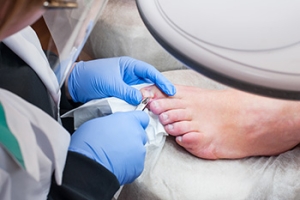
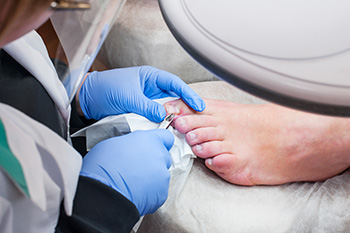
An ingrown toenail occurs when the edge of the nail grows into the surrounding skin, often resulting in pain, redness, swelling, and sometimes infection. It may appear inflamed, feel tender to the touch, and may produce drainage, if infected. Contributing factors include improper nail trimming, wearing ill-fitting footwear, or trauma to the toe. Podiatrists treat ingrown toenails using various methods, including partial or full nail removal, topical or oral antibiotics, and, in some cases, a surgical procedure to permanently prevent regrowth of the problematic portion of the nail. Following surgical treatment, it is important to follow your podiatrist’s postoperative instructions carefully. This typically includes keeping the foot clean and dry and avoiding strenuous activity for up to two weeks, or as advised. Wearing open-toed or loose-fitting shoes helps to reduce pressure on the healing toe. Your podiatrist will provide guidance on proper nail care to prevent recurrence, such as trimming nails straight across and avoiding wearing overly tight footwear. It is suggested that you contact your podiatrist promptly if you experience increased pain, redness, swelling, drainage, or signs of fever post-surgery.
Ingrown toenails can become painful if they are not treated properly. For more information about ingrown toenails, contact one of our podiatrists of Garnet & Carbonell, DPM, LLC. Our doctors can provide the care you need to keep you pain-free and on your feet.
Ingrown Toenails
Ingrown toenails occur when a toenail grows sideways into the bed of the nail, causing pain, swelling, and possibly infection.
Causes
- Bacterial infections
- Improper nail cutting such as cutting it too short or not straight across
- Trauma to the toe, such as stubbing, which causes the nail to grow back irregularly
- Ill-fitting shoes that bunch the toes too close together
- Genetic predisposition
Prevention
Because ingrown toenails are not something found outside of shoe-wearing cultures, going barefoot as often as possible will decrease the likeliness of developing ingrown toenails. Wearing proper fitting shoes and using proper cutting techniques will also help decrease your risk of developing ingrown toenails.
Treatment
Ingrown toenails are a very treatable foot condition. In minor cases, soaking the affected area in salt or antibacterial soaps will not only help with the ingrown nail itself, but also help prevent any infections from occurring. In more severe cases, surgery is an option. In either case, speaking to your podiatrist about this condition will help you get a better understanding of specific treatment options that are right for you.
If you have any questions, please feel free to contact our offices located in Palmetto Bay, South Miami, and Homestead, FL . We offer the newest diagnostic and treatment technologies for all your foot care needs.
Published in Blog
Tagged under
Tuesday, 12 August 2025 00:00
Ingrown Toenail Care
An ingrown toenail is a toenail that grows sideways into the nail bed, causing pain and swelling. Ingrown toenails can worsen and cause drainage, turning into a serious infection.
Several factors affect whether a person is at risk from an ingrown toenail. The many causes include being overweight, diabetes, participating in sports, having a fungal infection of the toe, and cutting your nails too short. Ingrown toenails also have a genetic predisposition, causing some people to be more prone to receive the condition than others. Other causes include improperly fitting shoes and shoes that keep the feet damp.
Ingrown toenails can be preventable with certain measures. For starters, allowing your toe nails to grow slightly longer in length will help prevent them from becoming ingrown. If you have already developed an ingrown toenail, soak the affected toe in warm water. This will alleviate the pain and help prevent an infection from forming. Antibiotic soap or Epsom salts may be added to further help the relieving process and avoid infection. Placing cotton beneath the affected area is also suggested, as this may help the toenail grow upwards and not into the nail bed. Swelling and redness can be reduced by resting with your feet elevated.
A podiatrist should be seen if the pain becomes so serious that it prevents you from doing your everyday activities. If a red streak running up your leg appears or if you suspect your infection has spread, contact a podiatrist immediately. Fast treatments can be undertaken to lessen your pain and have you walking comfortably.
An ingrown toenail can be easily treated with a Band-Aid. Simply wrap the affected toe with a Band-Aid to prevent infection and keep the nail from growing out at a painful angle.
In more serious cases, your podiatrist may decide to make a small incision to remove a portion of your toenail. To prevent the nail from growing back, medication will be placed directly into the nail bed. This procedure would be performed under local anesthesia and is a faster method to alleviate discomfort from an ingrown toenail. Post-procedure directions will have you stay off the affected foot for a day. Afterwards, normal activities can be resumed.
Published in Featured
Tagged under
Tuesday, 05 August 2025 00:00
Plantar Fasciitis Symptoms and Treatment
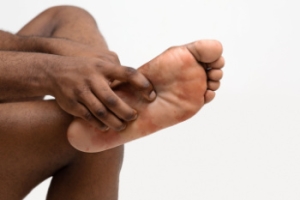
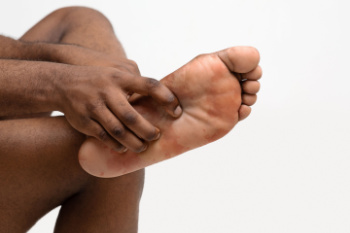
Plantar fasciitis is a common source of heel and arch pain, often linked to inflammation where a band of tissue called the plantar fascia attaches to the heel bone. This tissue supports the arch of the foot and can develop tiny tears from repeated strain. Pain typically feels worse with the first steps after sleeping or resting. Risk factors of plantar fasciitis include prolonged standing, repetitive foot strain, and shoes that lack adequate support. A podiatrist can examine the foot to confirm plantar fasciitis and provide treatment options, such as custom orthotics to improve foot alignment and cushioning. If pain persists, a podiatrist may recommend corticosteroid injections or surgery, in severe cases. Surgery may involve releasing part of the plantar fascia to relieve tension and remove any bone spurs that have formed. If you have foot pain indicating plantar fasciitis, it is suggested that you schedule an appointment with a podiatrist for an exam and appropriate treatment options.
Plantar fasciitis is a common foot condition that is often caused by a strain injury. If you are experiencing heel pain or symptoms of plantar fasciitis, contact one of our podiatrists from Garnet & Carbonell, DPM, LLC. Our doctors can provide the care you need to keep you pain-free and on your feet.
What Is Plantar Fasciitis?
Plantar fasciitis is one of the most common causes of heel pain. The plantar fascia is a ligament that connects your heel to the front of your foot. When this ligament becomes inflamed, plantar fasciitis is the result. If you have plantar fasciitis you will have a stabbing pain that usually occurs with your first steps in the morning. As the day progresses and you walk around more, this pain will start to disappear, but it will return after long periods of standing or sitting.
What Causes Plantar Fasciitis?
- Excessive running
- Having high arches in your feet
- Other foot issues such as flat feet
- Pregnancy (due to the sudden weight gain)
- Being on your feet very often
There are some risk factors that may make you more likely to develop plantar fasciitis compared to others. The condition most commonly affects adults between the ages of 40 and 60. It also tends to affect people who are obese because the extra pounds result in extra stress being placed on the plantar fascia.
Prevention
- Take good care of your feet – Wear shoes that have good arch support and heel cushioning.
- Maintain a healthy weight
- If you are a runner, alternate running with other sports that won’t cause heel pain
There are a variety of treatment options available for plantar fasciitis along with the pain that accompanies it. Additionally, physical therapy is a very important component in the treatment process. It is important that you meet with your podiatrist to determine which treatment option is best for you.
If you have any questions, please feel free to contact our offices located in Palmetto Bay, South Miami, and Homestead, FL . We offer the newest diagnostic and treatment technologies for all your foot care needs.
Published in Blog
Tagged under
Tuesday, 05 August 2025 00:00
Plantar Fasciitis
Plantar fasciitis is one of the most common causes of heel pain. The plantar fascia is the thick band of tissue that connects the heel bone to the toes. When this band of connective tissue becomes inflamed, plantar fasciitis occurs. Fortunately, this condition is treatable.
There are several factors that may put you at a greater risk for developing plantar fasciitis. One of the biggest factors is age; plantar fasciitis is common in those between the ages of 40 to 60. People who have jobs that require them to be on their feet are also likely to develop plantar fasciitis. This includes factory workers, teachers, and others who spend a large portion of their day walking around on hard surfaces. Another risk factor is obesity because excess weight can result in extra stress being placed on the plantar fascia.
People with plantar fasciitis often experience a stabbing pain in the heel area. This pain is usually at its worst in the morning, but can also be triggered by periods of standing or sitting. Plantar fasciitis may make it hard to run and walk. It may also make the foot feel stiff and sensitive, which consequently makes walking barefoot difficult.
Treatment for plantar fasciitis depends on the severity of the specific case of the condition. Ice massage applications may be used to reduce pain and inflammation. Physical therapy is often used to treat plantar fasciitis, and this may include stretching exercises. Another treatment option is anti-inflammatory medication, such as ibuprofen.
If you suspect that you have plantar fasciitis, meet with your podiatrist immediately. If left untreated, symptoms may lead to tearing and overstretching of the plantar fascia. The solution is early detection and treatment. Be sure to speak with your podiatrist if you are experiencing heel pain.
Published in Featured
Tagged under
Tuesday, 29 July 2025 00:00
Reasons for Arch Pain
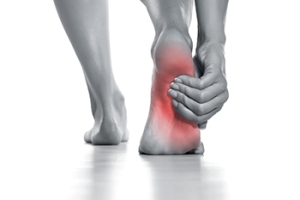
Arch pain often results from injury or structural problems within the foot. The arch, made up of bones, ligaments, and tendons, plays an important role in absorbing shock, supporting body weight, and maintaining balance. A common cause of arch pain is overpronation, where the foot rolls inward during walking, straining the arch and nearby tissues. Cavus foot, a condition marked by a high arch, may increase pressure on certain areas of the foot, leading to pain and instability. Posterior tibial tendon dysfunction can weaken the tendon that helps hold up the arch, causing pain along the inside of the foot and ankle. Flat feet, nerve conditions, overuse, and physical strain are also known to contribute to arch discomfort. A podiatrist can help identify the underlying cause and provide treatment, which may include orthotics, bracing, or surgery. If you have pain in the arch of your foot, it is suggested that you schedule an appointment with a podiatrist for an exam and appropriate treatment options.
If you have any concerns about your feet, contact one of our podiatrists from Garnet & Carbonell, DPM, LLC. Our doctors can provide the care you need to keep you pain-free and on your feet.
Biomechanics in Podiatry
Podiatric biomechanics is a particular sector of specialty podiatry with licensed practitioners who are trained to diagnose and treat conditions affecting the foot, ankle and lower leg. Biomechanics deals with the forces that act against the body, causing an interference with the biological structures. It focuses on the movement of the ankle, the foot and the forces that interact with them.
A History of Biomechanics
- Biomechanics dates back to the BC era in Egypt where evidence of professional foot care has been recorded.
- In 1974, biomechanics gained a higher profile from the studies of Merton Root, who claimed that by changing or controlling the forces between the ankle and the foot, corrections or conditions could be implemented to gain strength and coordination in the area.
Modern technological improvements are based on past theories and therapeutic processes that provide a better understanding of podiatric concepts for biomechanics. Computers can provide accurate information about the forces and patterns of the feet and lower legs.
Understanding biomechanics of the feet can help improve and eliminate pain, stopping further stress to the foot.
If you have any questions please feel free to contact our offices located in Palmetto Bay, South Miami, and Homestead, FL . We offer the newest diagnostic and treatment technologies for all your foot and ankle needs.
Published in Blog
Tagged under
Tuesday, 29 July 2025 00:00
Biomechanics in Podiatry
Podiatry is a branch of medicine that deals with the study, diagnosis, and treatment of foot and ankle conditions. There are various subdivisions in podiatry; biomechanics is one of them. Biomechanics is the way in which the bones, muscles, and joints of the feet and lower limb interact with each other.
Our feet play crucial roles in the way we move, and it is rare to have feet that are completely symmetrical. Common biomechanical issues include high or low arches or uneven leg heights. Excessive pronation often leads to fallen arches, or flat feet, and is a common cause of running injuries. People whose feet are over-pronated tend to have flexible and unstable feet. Pain is usually experienced during walking and running.
At times, people may be able to adapt to these abnormalities without any difficulties, but in other cases, these issues can cause a great deal of pain. This pain occurs because the joints, muscles, ligaments, and tendons are put under an excess amount of stress during movement. Common symptoms of biomechanical problems stemming from the feet include hip pain, knee pain, leg cramps, ankle pain, lower back pain, weak ankles, tripping, heel pain, Achilles pain, and shin splints.
Many biomechanical issues can be treated with orthotics. Orthotics are shoe insoles that are used to help control the way the foot operates. They can provide relief from foot pain, heel pain, and knee pain. Depending on your specific case, you may need to purchase over-the-counter orthotics or custom orthotics to fit your feet. Your podiatrist will be able to prescribe the perfect orthotic for your feet to help you walk around with ease.
Gait is defined as the way we move our bodies from one point to another. This is usually done by either walking or running. Gait analysis is a method used to assess the way we walk or run to highlight biomechanical abnormalities. Gait analyses are a great way to take a detailed look at how you walk and how your foot moves while you walk. An examination of the feet will help your podiatrist understand why you are suffering pain in other parts of your body.
Published in Featured
Tagged under
Tuesday, 22 July 2025 00:00
How Walking and Running Shoes Differ


Walking and running shoes may appear similar, but they are designed to meet different demands placed on the feet. Walking places less impact on the foot, with the heel striking first followed by a rolling motion through the step. As a result, walking shoes are often built with softer soles and an angled heel to cushion impact and promote a smooth transition. Running, however, places greater force on the feet, often up to three times the body weight, and may involve striking with the heel, midfoot, or forefoot. To handle this stress, running shoes are typically lighter and built with thicker cushioning to absorb shock and reduce fatigue. Choosing the wrong shoe can lead to foot pain or injury, including plantar fasciitis or Achilles tendon pain. A podiatrist can assess your gait, foot structure, and any symptoms you may be experiencing. It is suggested that you schedule an appointment with this type of doctor to determine the cause of the pain and receive guidance on proper footwear.
For more information about walking shoes versus running shoes, consult with one of our podiatrists from Garnet & Carbonell, DPM, LLC. Our doctors can measure your feet to determine what your needs are and help you find an appropriate pair of footwear.
Foot Health: The Differences between Walking & Running Shoes
There are great ways to stay in shape: running and walking are two great exercises to a healthy lifestyle. It is important to know that running shoes and walking shoes are not interchangeable. There is a key difference on how the feet hit the ground when someone is running or walking. This is why one should be aware that a shoe is designed differently for each activity.
You may be asking yourself what the real differences are between walking and running shoes and the answers may shock you.
Differences
Walking doesn’t involve as much stress or impact on the feet as running does. However, this doesn’t mean that you should be any less prepared. When you’re walking, you land on your heels and have your foot roll forward. This rolling motion requires additional support to the feet.
Flexibility – Walking shoes are designed to have soft, flexible soles. This allows the walker to push off easily with each step.
If you have any questions, please feel free to contact our offices located in Palmetto Bay, South Miami, and Homestead, FL . We offer the newest diagnostic and treatment technologies for all your foot care needs.
Published in Blog
Tagged under
Tuesday, 22 July 2025 00:00
Walking Shoes vs. Running Shoes
Although walking shoes and running shoes look similar, they have characteristics that make them different from each other. Runners should avoid running in walking shoes and vice versa. It is very important that you wear the proper footwear for the activity you are going to partake in, for you to avoid injury.
If you are looking to buy a new pair of running shoes, there are certain things you should look out for. One of the main components that makes up a good running shoe is flexibility. You should be able to bend and flex the forefoot of the shoe that you are purchasing. If you can bend the entire shoe in half with ease, this is a sign that the shoe does not have enough structure for your feet. Another feature you should look for is a low heel. Certain running shoes have a low heel to support runners who land on the ball of their feet. Lastly, you should look for the fit of the running shoe. You should visit the best running shoe store in your area to have your feet properly sized for the shoes in the store. Usually, the staff will be able to help recommend the best type of running shoe for your needs.
When you are walking, the body’s weight is evenly distributed on the foot. This influences the design of shoes made for walking. If you are looking to buy a pair of walking shoes, there are different features you should look for to determine which pair of shoes is best for you. Walking shoes should be flexible through the ball of the foot to allow for a greater range of motion through the roll of the forefoot. These shoes also should have greater arch support for the foot. If you plan on walking long distances or on hard surfaces, it is best that you wear shoes that have cushioning.
When trying on a new pair of shoes, the heel should fit snugly without slip. You should shop for shoes after a long walk, since your feet tend to swell throughout the day. Many people have one foot that is a different size than the other, so it is best that you have both feet measured when looking for your true size. You should also beware that sizes vary depending on the shoe brand. A certain size in one brand may be a different size in a different brand. Lastly, you should always walk around in shoes that you plan on buying. This will help you determine whether the shoes are comfortable and if they fit well on your feet.
Always look for good shoe construction when shopping for new sneakers. The upper part of the shoe should allow for adjustment through laces or straps. If you need help with shoe sizing or if you need custom orthotics for your feet, you should make an appointment with your podiatrist for assistance. He or she will be more than happy to help you with your shoe sizing needs.
Published in Featured
Tagged under
Thursday, 17 July 2025 00:00
See Your Foot Specialist Regularly If You Work On Your Feet


Do you work on your feet all day and find your feet in pain? Don't go to work in pain each day. Your foot pain can be treated, and we can help.
Published in Blog
Tagged under
Tuesday, 15 July 2025 00:00
When Your Child Fractures a Foot
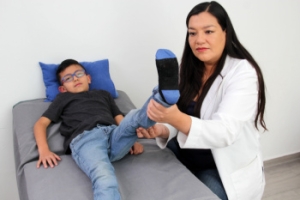
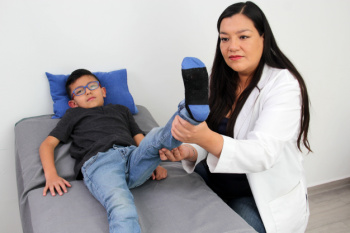
A foot fracture in a child involves a break in one or more of the bones in the foot and may occur from direct impact, twisting injuries, or overuse. Common signs of a broken foot include pain, swelling, bruising, and difficulty bearing weight or walking. In some cases, the foot may appear misshapen or have an open wound. A podiatrist will examine the foot and may order imaging studies such as X-rays, CT scans, MRIs, or bone scans to determine the extent of the injury. Diagnostic imaging helps identify the exact location and severity of the break. Treatment may involve immobilizing the foot with a cast or splint to promote bone healing and reduce movement. In more severe fractures, surgery may be needed to realign the bones and stabilize them using hardware such as wires or screws. Prompt professional care reduces the risk of long-term complications. If your child has sustained a foot fracture, it is suggested that you schedule an immediate appointment with a podiatrist for appropriate treatment.
A broken foot requires immediate medical attention and treatment. If you need your feet checked, contact one of our podiatrists from Garnet & Carbonell, DPM, LLC. Our doctors can provide the care you need to keep you pain-free and on your feet.
Broken Foot Causes, Symptoms, and Treatment
A broken foot is caused by one of the bones in the foot typically breaking when bended, crushed, or stretched beyond its natural capabilities. Usually the location of the fracture indicates how the break occurred, whether it was through an object, fall, or any other type of injury.
Common Symptoms of Broken Feet:
- Bruising
- Pain
- Redness
- Swelling
- Blue in color
- Numbness
- Cold
- Misshapen
- Cuts
- Deformities
Those that suspect they have a broken foot shoot seek urgent medical attention where a medical professional could diagnose the severity.
Treatment for broken bones varies depending on the cause, severity and location. Some will require the use of splints, casts or crutches while others could even involve surgery to repair the broken bones. Personal care includes the use of ice and keeping the foot stabilized and elevated.
If you have any questions, please feel free to contact our offices located in Palmetto Bay, South Miami, and Homestead, FL . We offer the newest diagnostic and treatment technologies for all your foot care needs.
Published in Blog
Tagged under
