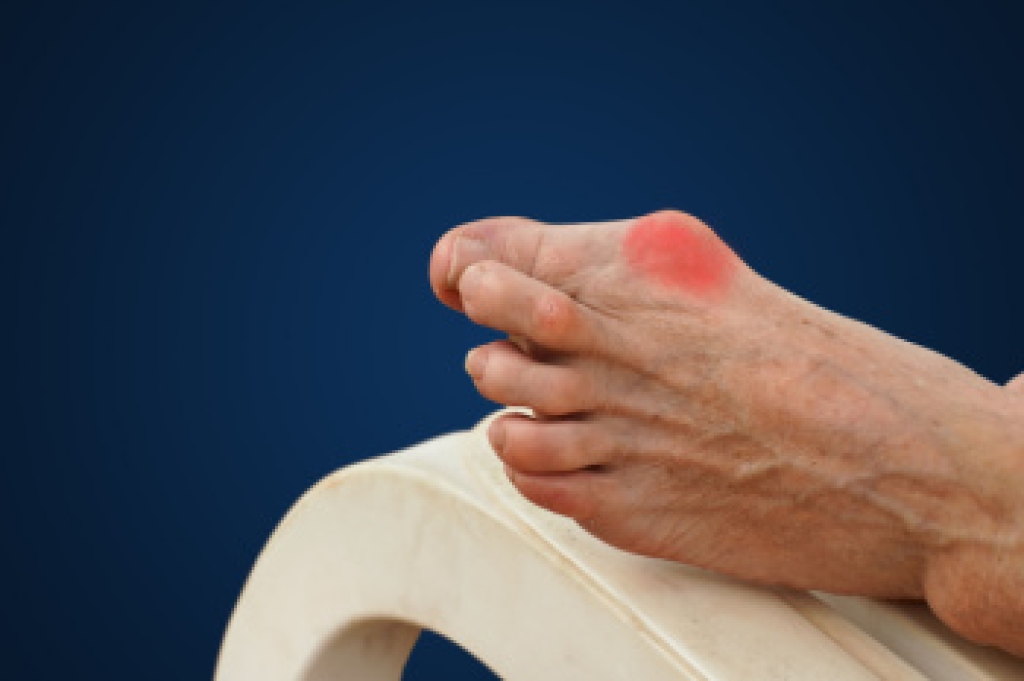
Understanding Stress Fractures in the Feet

Stress fractures in the feet are small cracks in the bone that develop from repeated strain. They often occur when activity increases quickly or when the foot absorbs repeated impact, such as running or jumping. Pain usually begins gradually and worsens with movement, especially in weight-bearing bones like the long bones of the feet. Stress fractures can be difficult to detect early because swelling and bruising may be mild. A podiatrist can examine the foot, check for tender areas, and order imaging tests such as MRI scans to confirm the diagnosis. Treatment includes reducing stress on the bone and using supportive devices like walking boots, braces, or custom inserts. These help to limit movement and reduce pressure on the injured area as healing continues. Care also includes a guided return to activity to prevent long-term problems. If you have symptoms of a stress fracture after vigorous activity, it is suggested that you make an appointment with a podiatrist for help.

Activities where too much pressure is put on the feet can cause stress fractures. To learn more, contact one of our podiatrists from Garnet & Carbonell, DPM, LLC. Our doctors can provide the care you need to keep your pain free and on your feet.

Dealing with Stress Fractures of the Foot and Ankle

Stress fractures occur in the foot and ankle when muscles in these areas weaken from too much or too little use.  The feet and ankles then lose support when walking or running from the impact of the ground. Since there is no protection, the bones receive the full impact of each step. Stress on the feet can cause cracks to form in the bones, thus creating stress fractures.

What Are Stress Fractures?

Stress fractures occur frequently in individuals whose daily activities cause great impact on the feet and ankles. Stress factors are most common among:

  • Runners                                
  • People affected with Osteoporosis
  • Tennis or basketball players
  • Gymnasts
  • High impact workouts

Symptoms

Pain from the fractures occur in the area of the fractures and can be constant or intermittent. It will often cause sharp or dull pain with swelling and tenderness. Engaging in any kind of activity which involves high impact will aggravate pain.

If you have any questions please contact our offices located in Palmetto Bay, South Miami, and Homestead, FL . We offer the newest diagnostic and treatment technologies for all your foot and ankle needs.

Read more about Dealing with Stress Fractures of the Foot and Ankle

Plantar Warts Can Be Treated!

Plantar warts are small growths that develop on parts of the feet that bear weight. They're typically found on the bottom of the foot. Don't live with plantar warts, and call us today!

Gout and Why It Affects the Big Toe

Gout is a form of arthritis caused by a buildup of uric acid in the bloodstream, leading to crystal deposits in the joints. The big toe is commonly affected because it is more prone to temperature changes and slower circulation, which encourages crystal formation. Symptoms often appear suddenly and include intense pain, redness, swelling, and warmth in the affected joint. Causes include genetics, obesity, certain medications, and decreased kidney function that limits the body’s ability to remove uric acid. Risk factors include high blood pressure and degenerative arthritis, which can increase susceptibility.  A podiatrist can help by diagnosing gout, managing pain, and recommending lifestyle changes. If you have pain in your big toe and surrounding joints, it is suggested that you consult a podiatrist who can provide a proper diagnosis and effective relief and treatment options.

Gout is a painful condition that can be treated. If you are seeking treatment, contact one of our podiatrists from Garnet & Carbonell, DPM, LLC. Our doctors will treat your foot and ankle needs.

What Is Gout?

Gout is a form of arthritis that is characterized by sudden, severe attacks of pain, redness, and tenderness in the joints. The condition usually affects the joint at the base of the big toe. A gout attack can occur at any random time, such as the middle of the night while you are asleep.

Symptoms

  • Intense Joint Pain - Usually around the large joint of your big toe, and it most severe within the first four to twelve hours
  • Lingering Discomfort - Joint discomfort may last from a few days to a few weeks
  • Inflammation and Redness -Affected joints may become swollen, tender, warm and red
  • Limited Range of Motion - May experience a decrease in joint mobility

Risk Factors

  • Genetics - If family members have gout, you’re more likely to have it
  • Medications - Diuretic medications can raise uric acid levels
  • Gender/Age - Gout is more common in men until the age of 60. It is believed that estrogen protects women until that point
  • Diet - Eating red meat and shellfish increases your risk
  • Alcohol - Having more than two alcoholic drinks per day increases your risk
  • Obesity - Obese people are at a higher risk for gout

Prior to visiting your podiatrist to receive treatment for gout, there are a few things you should do beforehand. If you have gout you should write down your symptoms--including when they started and how often you experience them, important medical information you may have, and any questions you may have. Writing down these three things will help your podiatrist in assessing your specific situation so that he or she may provide the best route of treatment for you.

If you have any questions, please feel free to contact our offices located in Palmetto Bay, South Miami, and Homestead, FL . We offer the newest diagnostic and treatment technologies for all your foot care needs.

Read more about Gout

Various Reasons for Pain in the Bottom of the Foot

Pain in the bottom of the foot can arise from several underlying causes that affect daily comfort and movement. Wearing tight shoes can place excessive pressure on the foot, while a lack of vitamin D or calcium may weaken bone health. An unusual foot shape can also contribute to uneven stress and discomfort. Types of pain may vary, including sharp or burning sensations near the toes that may be linked to Morton’s neuroma, as well as heel pain often associated with plantar fasciitis or heel spurs. These conditions can make walking or standing difficult if left untreated. A podiatrist can help by identifying the source of pain and providing targeted care. If you have persistent foot discomfort, it is suggested that you consult a podiatrist who can determine the cause and offer appropriate relief and treatment solutions.

Foot Pain

Foot pain can be extremely painful and debilitating. If you have a foot pain, consult with one of our podiatrists from Garnet & Carbonell, DPM, LLC. Our doctors will assess your condition and provide you with quality foot and ankle treatment.

Causes

Foot pain is a very broad condition that could be caused by one or more ailments. The most common include:

  • Bunions
  • Hammertoes
  • Plantar Fasciitis
  • Bone Spurs
  • Corns
  • Tarsal Tunnel Syndrome
  • Ingrown Toenails
  • Arthritis (such as Gout, Rheumatoid, and Osteoarthritis)
  • Flat Feet
  • Injury (from stress fractures, broken toe, foot, ankle, Achilles tendon ruptures, and sprains)
  • And more

Diagnosis

To figure out the cause of foot pain, podiatrists utilize several different methods. This can range from simple visual inspections and sensation tests to X-rays and MRI scans. Prior medical history, family medical history, and any recent physical traumatic events will all be taken into consideration for a proper diagnosis.

Treatment

Treatment depends upon the cause of the foot pain. Whether it is resting, staying off the foot, or having surgery; podiatrists have a number of treatment options available for foot pain.

If you have any questions, please feel free to contact our offices located in Palmetto Bay, South Miami, and Homestead, FL . We offer the newest diagnostic and treatment technologies for all your foot care needs.

Read more about Foot Pain

Heel Pain Can Slow You Down

Plantar fasciitis is a common cause of heel pain that often appears with the first steps in the morning or after periods of rest. The pain is typically sharp and located at the bottom of the heel, sometimes easing as the foot warms up but returning after long activity. It may look normal from the outside, though some patients notice mild swelling or tightness along the arch. Causes include overuse, standing for long periods, improper footwear, tight calf muscles, or changes in activity level. A podiatrist begins with a careful exam and may use imaging to confirm the diagnosis. Treatment includes supportive footwear, custom orthotics, and targeted exercises to stretch and strengthen the plantar fascia. Additional options like anti-inflammatory care or injections may be considered if symptoms persist. If you have plantar fasciitis, it is suggested that you make an appointment with a podiatrist.

Plantar fasciitis is a common foot condition that is often caused by a strain injury. If you are experiencing heel pain or symptoms of plantar fasciitis, contact one of our podiatrists from Garnet & Carbonell, DPM, LLC. Our doctors can provide the care you need to keep you pain-free and on your feet.

What Is Plantar Fasciitis?

Plantar fasciitis is one of the most common causes of heel pain. The plantar fascia is a ligament that connects your heel to the front of your foot. When this ligament becomes inflamed, plantar fasciitis is the result. If you have plantar fasciitis you will have a stabbing pain that usually occurs with your first steps in the morning. As the day progresses and you walk around more, this pain will start to disappear, but it will return after long periods of standing or sitting.

What Causes Plantar Fasciitis?

  • Excessive running
  • Having high arches in your feet
  • Other foot issues such as flat feet
  • Pregnancy (due to the sudden weight gain)
  • Being on your feet very often

There are some risk factors that may make you more likely to develop plantar fasciitis compared to others. The condition most commonly affects adults between the ages of 40 and 60. It also tends to affect people who are obese because the extra pounds result in extra stress being placed on the plantar fascia.

Prevention

  • Take good care of your feet – Wear shoes that have good arch support and heel cushioning.
  • Maintain a healthy weight
  • If you are a runner, alternate running with other sports that won’t cause heel pain

There are a variety of treatment options available for plantar fasciitis along with the pain that accompanies it. Additionally, physical therapy is a very important component in the treatment process. It is important that you meet with your podiatrist to determine which treatment option is best for you.

If you have any questions, please feel free to contact our offices located in Palmetto Bay, South Miami, and Homestead, FL . We offer the newest diagnostic and treatment technologies for all your foot care needs.


Read more about Plantar Fasciitis

Connect With Us

scroll to top