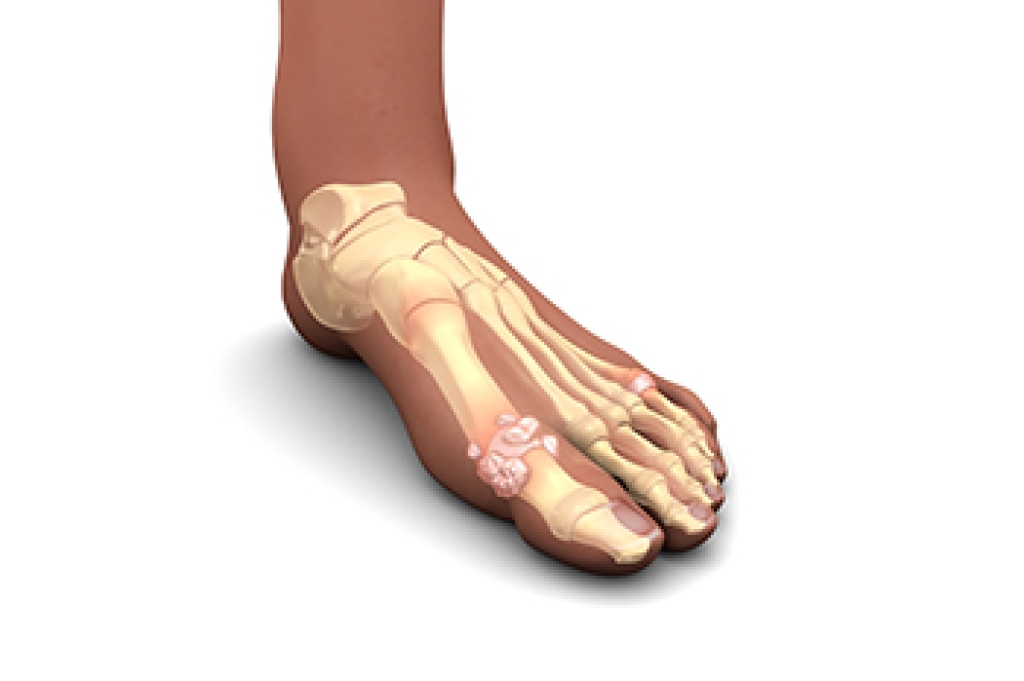
How Gout Causes Intense Big Toe Pain

Gout is a form of arthritis that often causes intense pain, particularly in the big toe. It occurs when uric acid builds up in the body, forming crystals that deposit in the joints. The big toe is commonly affected because it has a lower temperature than other joints, which makes it more susceptible to these crystals. When a gout attack happens, the area becomes swollen, red, and extremely painful. The pain can be so severe that even the slightest touch to the toe feels unbearable. Gout attacks are often triggered by factors such as consuming foods rich in purines, alcohol, or dehydration. Managing gout involves reducing uric acid levels through diet, medication, and lifestyle changes. If you have had one or more gout attacks, it is strongly suggested that you are under the care of a podiatrist who can help you manage this painful condition.

Gout is a painful condition that can be treated. If you are seeking treatment, contact one of our podiatrists from Garnet & Carbonell, DPM, LLC. Our doctors will treat your foot and ankle needs.

What Is Gout?

Gout is a form of arthritis that is characterized by sudden, severe attacks of pain, redness, and tenderness in the joints. The condition usually affects the joint at the base of the big toe. A gout attack can occur at any random time, such as the middle of the night while you are asleep.

Symptoms

  • Intense Joint Pain - Usually around the large joint of your big toe, and it most severe within the first four to twelve hours
  • Lingering Discomfort - Joint discomfort may last from a few days to a few weeks
  • Inflammation and Redness -Affected joints may become swollen, tender, warm and red
  • Limited Range of Motion - May experience a decrease in joint mobility

Risk Factors

  • Genetics - If family members have gout, you’re more likely to have it
  • Medications - Diuretic medications can raise uric acid levels
  • Gender/Age - Gout is more common in men until the age of 60. It is believed that estrogen protects women until that point
  • Diet - Eating red meat and shellfish increases your risk
  • Alcohol - Having more than two alcoholic drinks per day increases your risk
  • Obesity - Obese people are at a higher risk for gout

Prior to visiting your podiatrist to receive treatment for gout, there are a few things you should do beforehand. If you have gout you should write down your symptoms--including when they started and how often you experience them, important medical information you may have, and any questions you may have. Writing down these three things will help your podiatrist in assessing your specific situation so that he or she may provide the best route of treatment for you.

If you have any questions, please feel free to contact our offices located in Palmetto Bay, South Miami, and Homestead, FL . We offer the newest diagnostic and treatment technologies for all your foot care needs.


Read more about Gout

Healthy Walking Feet

Walking is an excellent way to stay healthy, improving heart health, boosting mood, and supporting weight management. However, your feet bear the impact of every step, so proper care is essential for a safe and comfortable walking routine. Start by choosing well-fitting footwear with good arch support, cushioning, and a roomy toe box. Replace shoes when they show signs of wear, as worn-out soles can lead to discomfort or injury. Pay attention to your feet after walking. Look for signs of blisters, redness, or pain, which may indicate improper footwear or overuse. Stretch your feet and calves regularly to maintain flexibility and avoid stiffness. Use moisture-wicking socks to prevent irritation and keep feet dry. If foot pain or issues develop, it is suggested that you see a podiatrist. They can address concerns and guide you toward a pain-free, enjoyable walking routine.

Exercising your feet regularly with the proper foot wear is a great way to prevent injuries and build strength. If you have any concerns about your feet, contact one of our podiatrists from Garnet & Carbonell, DPM, LLC. Our doctors can provide the care you need to keep you pain-free and on your feet.

Exercise for Your Feet

Exercise for your feet can help you gain strength, mobility and flexibility in your feet. They say that strengthening your feet can be just as rewarding as strengthening another part of the body. Your feet are very important, and we often forget about them in our daily tasks. But it is because of our feet that are we able to get going and do what we need to. For those of us fortunate enough to not have any foot problems, it is an important gesture to take care of them to ensure good health in the long run.

Some foot health exercises can include ankle pumps, tip-toeing, toe rises, lifting off the floor doing reps and sets, and flexing the toes. It is best to speak with Our doctors to determine an appropriate regimen for your needs. Everyone’s needs and bodies are different, and the activities required to maintain strength in the feet vary from individual to individual. 

Once you get into a routine of doing regular exercise, you may notice a difference in your feet and how strong they may become.

If you have any questions, please feel free to contact our offices located in Palmetto Bay, South Miami, and Homestead, FL . We offer the newest diagnostic and treatment technologies for all your foot care needs.
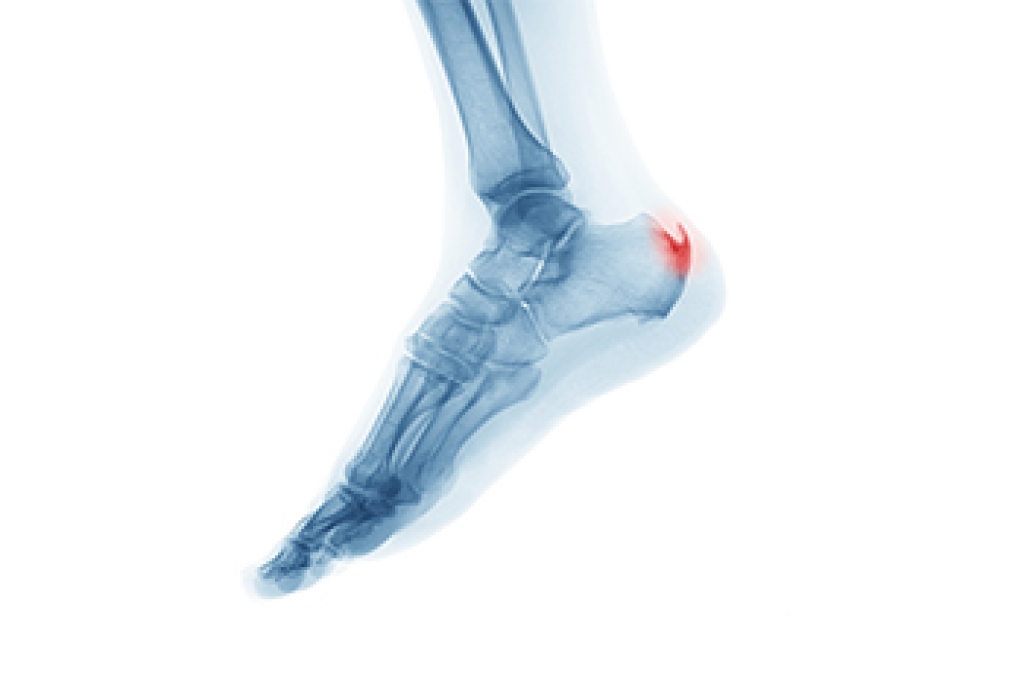
Read more about Exercise for Your Feet

Do Your Child's Feet Hurt?

Have your child's feet been examined lately? Healthy feet are happy feet. If your child is complaining of foot pain, it may be a sign of underlying problems.

Causes of an Achilles Heel Spur

An Achilles heel spur is a bony growth that develops on the heel bone, typically where the Achilles tendon attaches. It is often the result of repeated stress or strain on the tendon, leading to the formation of extra bone in the area. Common causes include overuse, wearing poor footwear, or activities that put excessive pressure on the heel like running and jumping. Individuals with tight calf muscles or an abnormal gait may also be at higher risk. Symptoms of an Achilles heel spur are pain and tenderness at the back of the heel, particularly when walking, running, or standing for long periods. In some cases, swelling and a visible bump may appear on the heel. If you have developed this type of heel spur, it is suggested that you consult a podiatrist who can accurately diagnose and treat various types of heel spurs.

Heel spurs can be incredibly painful and sometimes may make you unable to participate in physical activities. To get medical care for your heel spurs, contact one of our podiatrists from Garnet & Carbonell, DPM, LLC. Our doctors will do everything possible to treat your condition.

Heels Spurs

Heel spurs are formed by calcium deposits on the back of the foot where the heel is. This can also be caused by small fragments of bone breaking off one section of the foot, attaching onto the back of the foot. Heel spurs can also be bone growth on the back of the foot and may grow in the direction of the arch of the foot.

Older individuals usually suffer from heel spurs and pain sometimes intensifies with age. One of the main condition's spurs are related to is plantar fasciitis.

Pain

The pain associated with spurs is often because of weight placed on the feet. When someone is walking, their entire weight is concentrated on the feet. Bone spurs then have the tendency to affect other bones and tissues around the foot. As the pain continues, the feet will become tender and sensitive over time.

Treatments

There are many ways to treat heel spurs. If one is suffering from heel spurs in conjunction with pain, there are several methods for healing. Medication, surgery, and herbal care are some options.

If you have any questions, please feel free to contact our offices located in Palmetto Bay, South Miami, and Homestead, FL . We offer the newest diagnostic and treatment technologies for all your foot care needs.
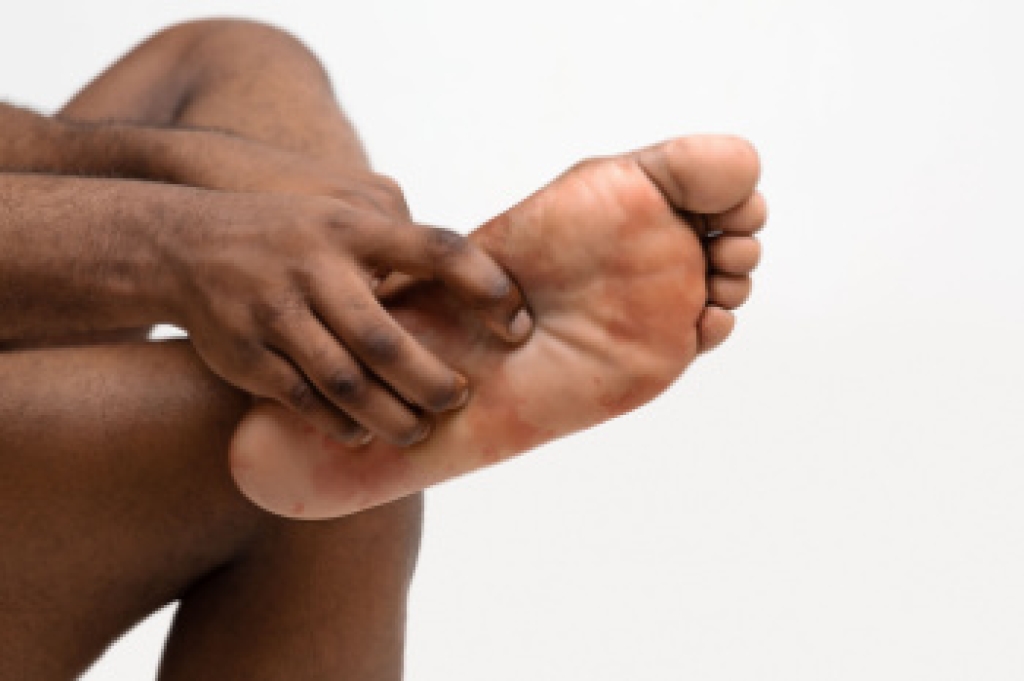
Read more about How to Treat Heel Spurs

Managing Plantar Fasciitis

Plantar fasciitis affects the broad band of tissue that connects the heel bone to the toes, known as the plantar fascia. Pain in the heel and arch of the foot is the result of excessive strain, tearing, or wearing out of this ligament. It is often most noticeable when taking the first steps in the morning, or after long periods of rest. Factors such as spending extended time on your feet, having tight calf muscles, high arches or flat feet can increase the risk of developing plantar fasciitis. A podiatrist can assess your symptoms and develop a treatment plan that may include using orthotics and performing specific calf and foot stretches to improve flexibility. In addition, taking smaller steps, avoiding walking barefoot, and reducing high-impact activities like jogging may be suggested. Weight management may also be part of the treatment strategy, as excess weight can increase pain. If you have pain from plantar fasciitis, it is suggested that you schedule an appointment with a podiatrist for treatment.

Plantar fasciitis is a common foot condition that is often caused by a strain injury. If you are experiencing heel pain or symptoms of plantar fasciitis, contact one of our podiatrists from Garnet & Carbonell, DPM, LLC. Our doctors can provide the care you need to keep you pain-free and on your feet.

What Is Plantar Fasciitis?

Plantar fasciitis is one of the most common causes of heel pain. The plantar fascia is a ligament that connects your heel to the front of your foot. When this ligament becomes inflamed, plantar fasciitis is the result. If you have plantar fasciitis you will have a stabbing pain that usually occurs with your first steps in the morning. As the day progresses and you walk around more, this pain will start to disappear, but it will return after long periods of standing or sitting.

What Causes Plantar Fasciitis?

  • Excessive running
  • Having high arches in your feet
  • Other foot issues such as flat feet
  • Pregnancy (due to the sudden weight gain)
  • Being on your feet very often

There are some risk factors that may make you more likely to develop plantar fasciitis compared to others. The condition most commonly affects adults between the ages of 40 and 60. It also tends to affect people who are obese because the extra pounds result in extra stress being placed on the plantar fascia.

Prevention

  • Take good care of your feet – Wear shoes that have good arch support and heel cushioning.
  • Maintain a healthy weight
  • If you are a runner, alternate running with other sports that won’t cause heel pain

There are a variety of treatment options available for plantar fasciitis along with the pain that accompanies it. Additionally, physical therapy is a very important component in the treatment process. It is important that you meet with your podiatrist to determine which treatment option is best for you.

If you have any questions, please feel free to contact our offices located in Palmetto Bay, South Miami, and Homestead, FL . We offer the newest diagnostic and treatment technologies for all your foot care needs.


Read more about Plantar Fasciitis

Connect With Us

scroll to top