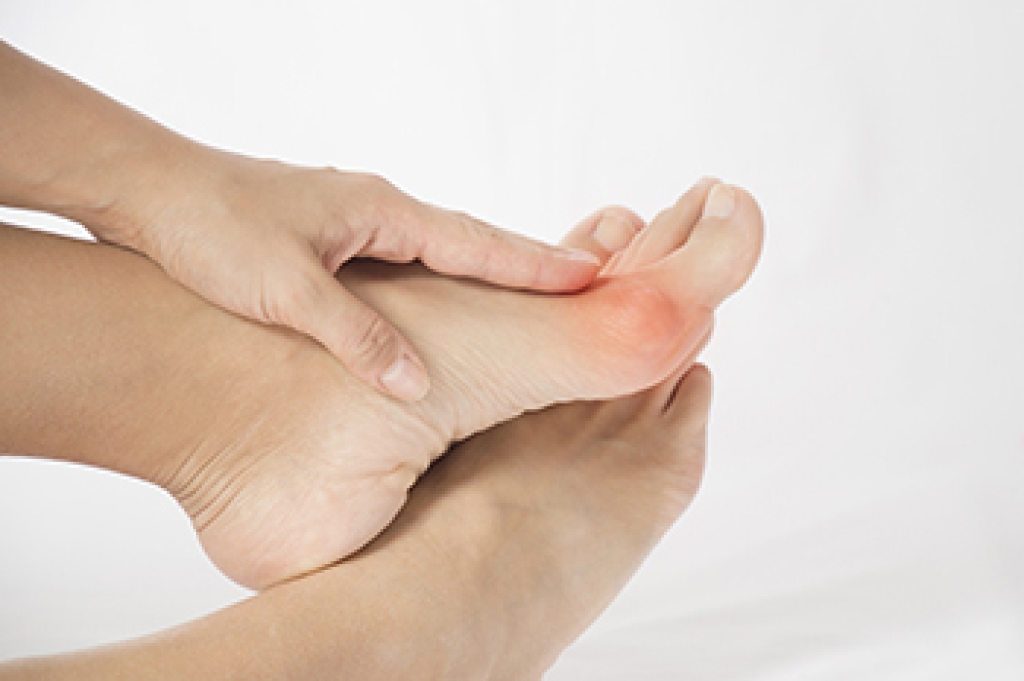
Are All Bunions Treated the Same Way?

A bump, or bunion, on the inside of the big toe is caused by an outward protrusion of the bones at the base of the big toe. When these bones angle outwardly, rather than being in a linear alignment, they force the big toe to lean towards the second toe instead of pointing straight ahead. The severity of the deformity and its symptoms will dictate its treatment method. A podiatrist may try to change the patient’s footwear and use padding or corrective devices inside the shoe to help guide a mild bunion deformity back into normal alignment. Pain may be alleviated with over-the-counter medicine. More severe misalignment and intense pain may require a surgical intervention (bunionectomy). A bunionectomy removes swollen tissue, straightens the big toe, and re-aligns the bones in the big toe joint. If you have a painful and unsightly bunion, contact a podiatrist for an evaluation and consultation regarding your treatment options

If you are suffering from bunion pain, contact one of our podiatrists of Garnet & Carbonell, DPM, LLC. Our doctors can provide the care you need to keep you pain-free and on your feet.

What Is a Bunion?

Bunions are painful bony bumps that usually develop on the inside of the foot at the joint of the big toe. As the deformity increases over time, it may become painful to walk and wear shoes. Women are more likely to exacerbate existing bunions since they often wear tight, narrow shoes that shift their toes together. Bunion pain can be relieved by wearing wider shoes with enough room for the toes.

Causes

  • Genetics – some people inherit feet that are more prone to bunion development
  • Inflammatory Conditions - rheumatoid arthritis and polio may cause bunion development

Symptoms

  • Redness and inflammation
  • Pain and tenderness
  • Callus or corns on the bump
  • Restricted motion in the big toe

In order to diagnose your bunion, your podiatrist may ask about your medical history, symptoms, and general health. Your doctor might also order an x-ray to take a closer look at your feet. Nonsurgical treatment options include orthotics, padding, icing, changes in footwear, and medication. If nonsurgical treatments don’t alleviate your bunion pain, surgery may be necessary.

If you have any questions, please feel free to contact our offices located in Palmetto Bay, South Miami, and Homestead, FL . We offer the newest diagnostic and treatment technologies for all your foot care needs.
Read more about Bunions

Understanding Overpronation

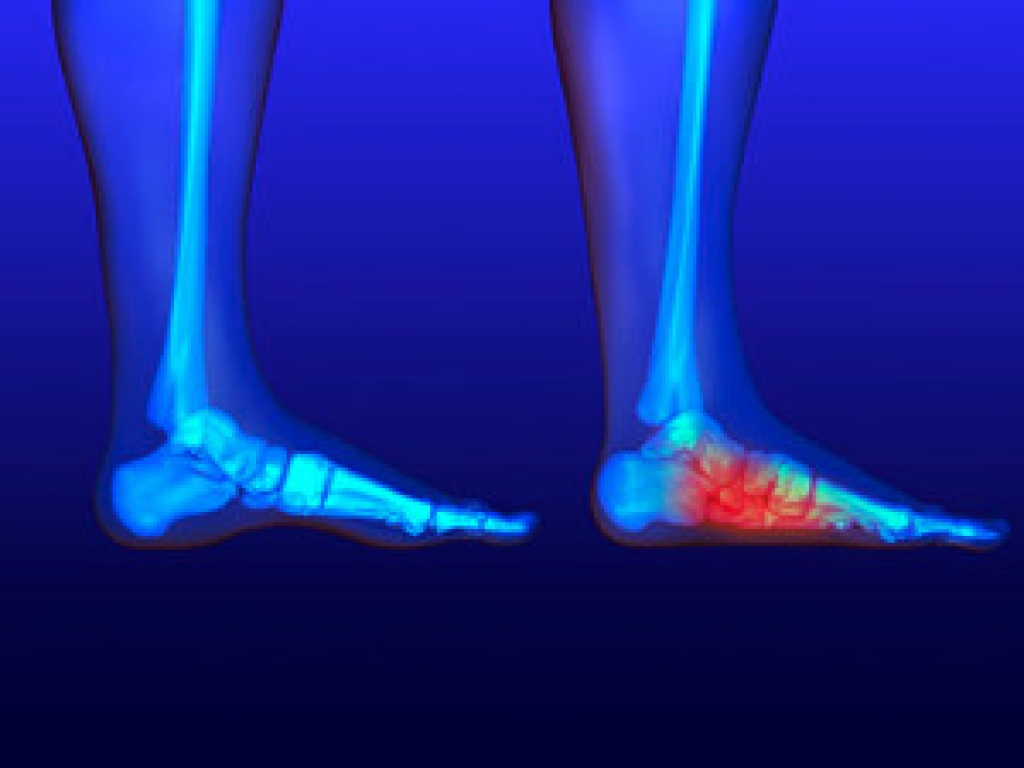
If the arch of the foot collapses while bearing weight, it is known as overpronation.  When the frame of the foot collapses overpronation causes stress and inflammation to the feet leading to a variety of conditions such as plantar fasciitis, heel spurs, metatarsalgia, tendonitis, or bunions. Overpronation is common among those who have flexible flat feet, but other factors like obesity and pregnancy can also cause flat feet. Some patients with overpronation never develop symptoms or feel pain, but if symptoms are present the pain is extreme and walking becomes difficult. This causes intense strain on the feet and calves. Patients who experience overpronation should wear footwear that fits properly and also has a firm and supportive heel. These patients may even be prescribed orthotics to support the arch of the foot. Anyone who is afflicted with overpronation should consult with a podiatrist for a proper diagnosis and treatment recommendation. 

If you have any concerns about your feet, contact one of our podiatrists from Garnet & Carbonell, DPM, LLC. Our doctors can provide the care you need to keep you pain-free and on your feet.

Biomechanics in Podiatry

Podiatric biomechanics is a particular sector of specialty podiatry with licensed practitioners who are trained to diagnose and treat conditions affecting the foot, ankle and lower leg. Biomechanics deals with the forces that act against the body, causing an interference with the biological structures. It focuses on the movement of the ankle, the foot and the forces that interact with them.

A History of Biomechanics

  • Biomechanics dates back to the BC era in Egypt where evidence of professional foot care has been recorded.
  • In 1974, biomechanics gained a higher profile from the studies of Merton Root, who claimed that by changing or controlling the forces between the ankle and the foot, corrections or conditions could be implemented to gain strength and coordination in the area.

Modern technological improvements are based on past theories and therapeutic processes that provide a better understanding of podiatric concepts for biomechanics. Computers can provide accurate information about the forces and patterns of the feet and lower legs.

Understanding biomechanics of the feet can help improve and eliminate pain, stopping further stress to the foot.

If you have any questions please feel free to contact our offices located in Palmetto Bay, South Miami, and Homestead, FL . We offer the newest diagnostic and treatment technologies for all your foot and ankle needs.

Read more about The Importance of Biomechanics in Podiatry

Understanding High Ankle Sprains

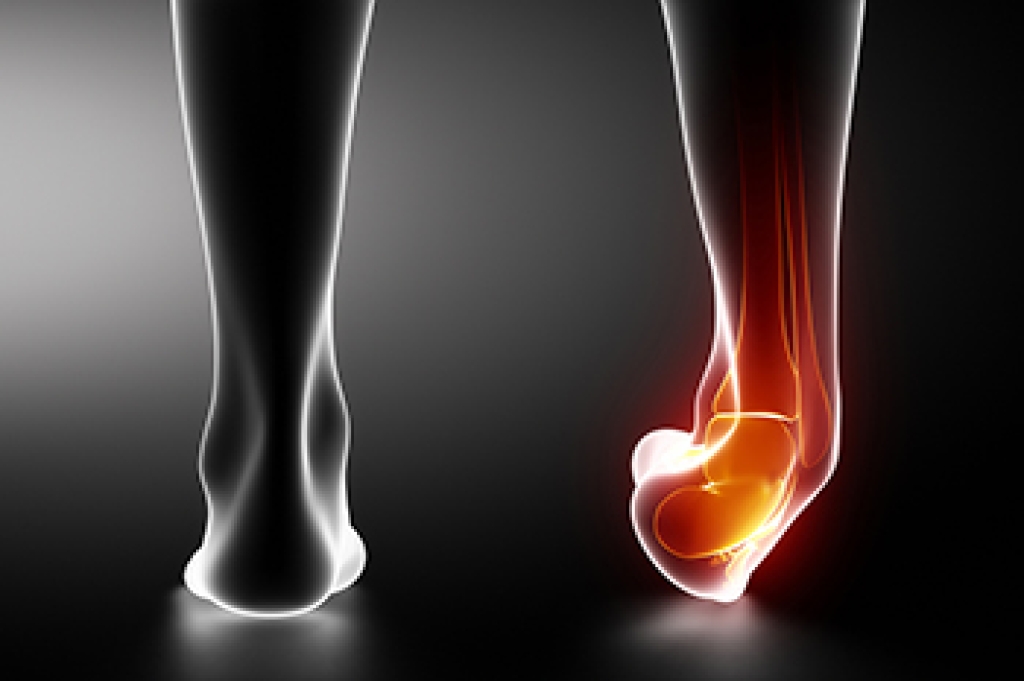
An ankle sprain can occur when the ligaments, which connect the bones in the ankle, are partially torn. A high ankle sprain is a sprain that occurs in the upper ligaments of the ankle that connect to the tibia and fibula. Low ankle sprains happen when the ankle gets twisted towards the inside of the leg, and they tend to be much more common than high ankle sprains. High ankle sprains usually occur during high impact athletic activities and often coincide with a broken ankle or tears to the ligaments on the inside of the ankle. Because of this, the pain from a high ankle sprain can be felt in a variety of areas. Frequent signs of a high ankle sprain include pain above the ankle (between the tibia and fibula) and intense pain when ascending or descending the stairs (or any activity that involves flexing the ankle upwards). If you believe you have sprained your ankle, schedule an appointment with your local podiatrist right away to ensure proper healing.

Ankle sprains are common but need immediate attention. If you need your feet checked, contact one of our podiatrists from Garnet & Carbonell, DPM, LLC. Our doctors can provide the care you need to keep you pain-free and on your feet.

How Does an Ankle Sprain Occur?

Ankle sprains take place when the ligaments in your ankle are torn or stretched beyond their limits. There are multiple ways that the ankle can become injured, including twisting or rolling over onto your ankle, putting undue stress on it, or causing trauma to the ankle itself.

What Are the Symptoms?

  • Mild to moderate bruising
  • Limited mobility
  • Swelling
  • Discoloration of the skin (depending on severity)

Preventing a Sprain

  • Wearing appropriate shoes for the occasion
  • Stretching before exercises and sports
  • Knowing your limits

Treatment of a Sprain

Treatment of a sprain depends on the severity.  Many times, people are told to rest and remain off their feet completely, while others are given an air cast. If the sprain is very severe, surgery may be required.

If you have suffered an ankle sprain previously, you may want to consider additional support such as a brace and regular exercises to strengthen the ankle.

If you have any questions please feel free to contact our offices located in Palmetto Bay, South Miami, and Homestead, FL . We offer the newest diagnostic tools and technology to treat your foot and ankle needs.

Read more about Ankle Sprains

Healing Cracked Heels

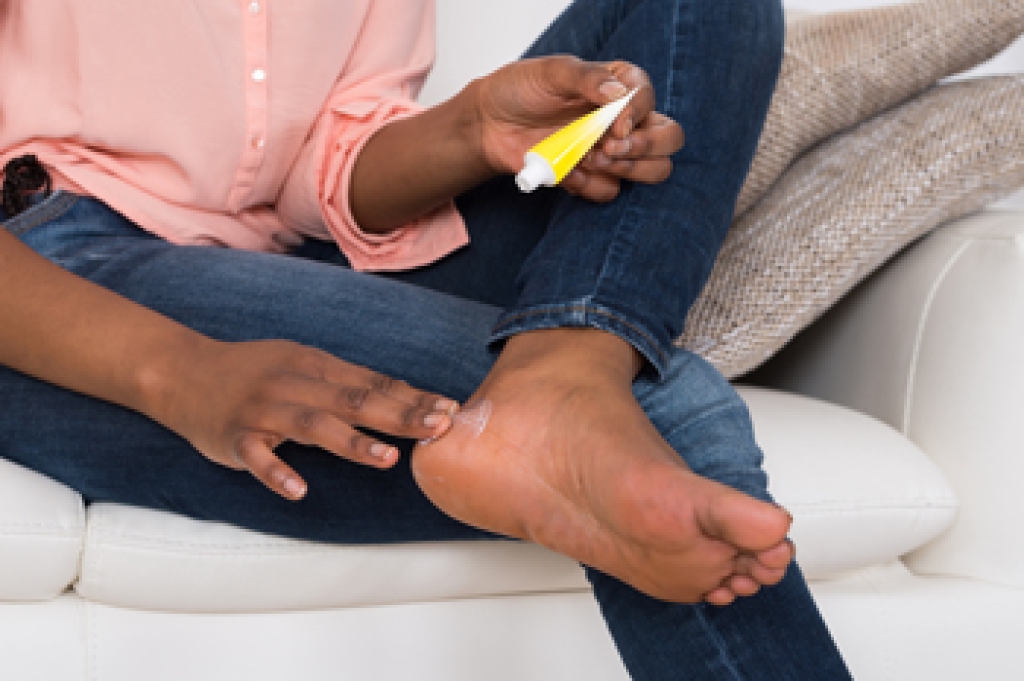
Cracked heels are not only unattractive, but they can be uncomfortable and painful as well. If cracks are allowed to deepen, they may even bleed or become infected. Cracked heels can worsen in the summertime due to dehydration, so make sure you drink plenty of water. You can try to soften your cracked heels overnight by applying petroleum jelly or a thick cream at bedtime and sleep with socks on which will help lock moisture in. Because air, dirt, and other pollutants can dry out and roughen skin, limit wearing open-backed shoes and do not walk barefoot. Some believe that soaking your feet in paraffin wax—a natural emollient—can help loosen skin and remove dead skin cells to help soften heels. For professional tips on prevention, or to get treatment for deep, bleeding, or painful cracked heels, make an appointment with a podiatrist.

Cracked heels are unsightly and can cause further damage to your shoes and feet. If you have any concerns, contact one of our podiatrists from Garnet & Carbonell, DPM, LLC. Our doctors can provide the care you need to keep you pain-free and on your feet.

Cracked Heels

Cracked heels appear unappealing and can make it harder for you walk around in sandals. Aside from looking unpleasant, cracked heels can also tear stockings, socks, and wear out your shoes. There are several methods to help restore a cracked heel and prevent further damage.

How Do You Get Them?

Dry skin is the number one culprit in creating cracked heels. Many athletes, walkers, joggers, and even swimmers suffer from cracked heels. Age and skin oil production play a role to getting cracked heels as well.

Promote Healing

Over the counter medicines can help, especially for those that need instant relief or who suffer from chronic dry feet.

Wear Socks – Wearing socks with medicated creams helps lock in moisture.

Moisturizers – Applying both day and night will help alleviate dryness which causes cracking.

Pumice Stones – These exfoliate and remove dead skin, which allows for smoother moisturizer application and better absorption into the skin. 

Change in Diet

Eating healthy with a well-balanced diet will give the skin a fresh and radiant look. Your body responds to the kinds of food you ingest. Omega-3 fatty acids and zinc supplements can also revitalize skin tissue.

Most importantly, seek professional help if unsure how to proceed in treating cracked heels. A podiatrist will help you with any questions or information needed. 

If you have any questions, please feel free to contact our offices located in Palmetto Bay, South Miami, and Homestead, FL . We offer the newest diagnostic and treatment technologies for all your foot care needs.
Read more about Solutions for Cracked Heels

Connect With Us

scroll to top