Ways to Deal With Athlete’s Foot

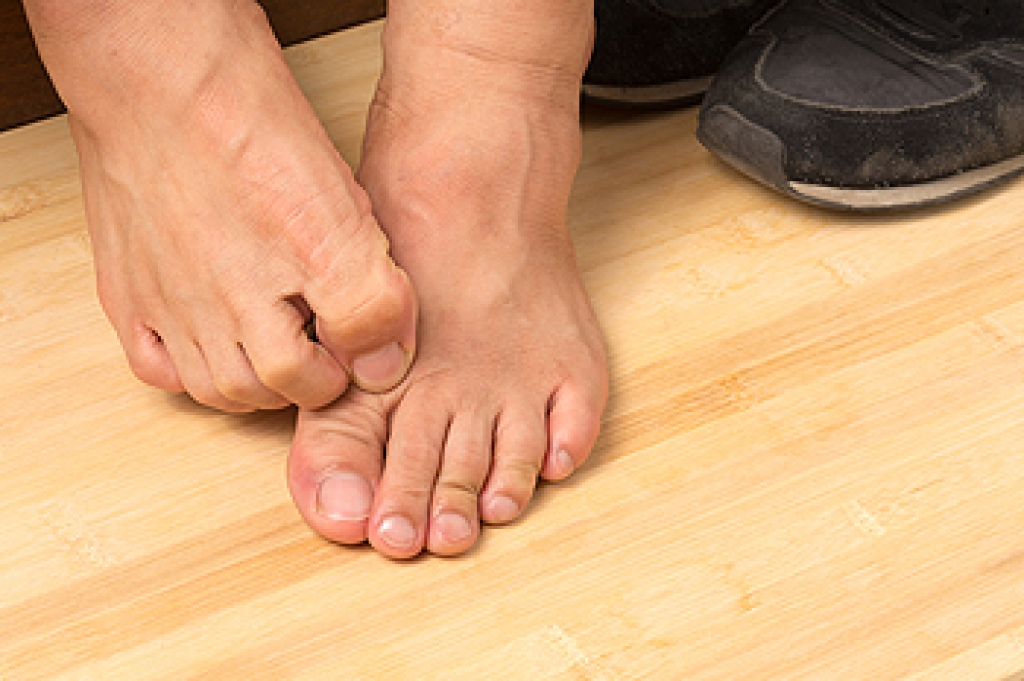
It can be hard to get rid of tinea pedis, a condition more commonly known as athlete’s foot. It is caused by exposure to dermatophytes, a type of fungus that thrives in damp, warm and moist places, such as swimming pools, locker rooms and gyms, and even sweaty feet in tight shoes. Because it is highly contagious and can be spread by direct and indirect contact, it can be difficult to eradicate. Symptoms include itching, scaly skin on the sides of the feet, blisters between the toes, and dry, patchy scales on the bottom of your feet. It can be spread to others by walking barefoot in wet areas, close contact with another person and wearing damp socks. You can also spread the infection to other parts of your own body through touch. Home remedies include anti-fungal sprays that are available over the counter. If athlete’s foot does not go away, or keeps coming back over and over again, it is a good idea to make an appointment with a podiatrist who can offer other treatment options.

Athlete’s foot is an inconvenient condition that can be easily reduced with the proper treatment. If you have any concerns about your feet and ankles, contact one of our podiatrists from Garnet & Carbonell, DPM, LLC.  Our doctors will treat your foot and ankle needs.

Athlete’s Foot: The Sole Story

Athlete's foot, also known as tinea pedis, can be an extremely contagious foot infection. It is commonly contracted in public changing areas and bathrooms, dormitory style living quarters, around locker rooms and public swimming pools, or anywhere your feet often come into contact with other people.

Solutions to Combat Athlete’s Foot

  • Hydrate your feet by using lotion
  • Exfoliate
  • Buff off nails
  • Use of anti-fungal products
  • Examine your feet and visit your doctor if any suspicious blisters or cuts develop

Athlete’s foot can cause many irritating symptoms such as dry and flaking skin, itching, and redness. Some more severe symptoms can include bleeding and cracked skin, intense itching and burning, and even pain when walking. In the worst cases, Athlete’s foot can cause blistering as well. Speak to your podiatrist for a better understanding of the different causes of Athlete’s foot, as well as help in determining which treatment options are best for you.

If you have any questions please feel free to contact our offices located in Palmetto Bay, South Miami, and Homestead, FL . We offer the newest diagnostic and treatment technologies for all your foot and ankle needs.
Read more about Athlete’s Foot

What Causes Varicose Veins?

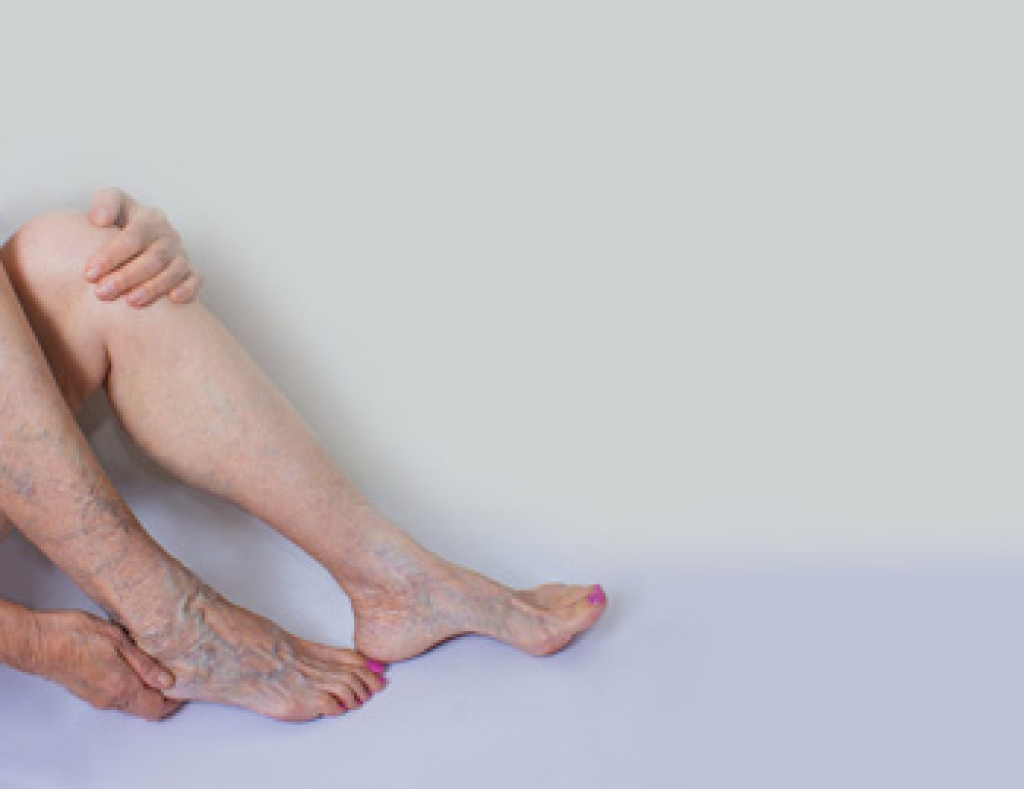
Varicose veins are visibly raised and swollen blood vessels beneath the surface of the skin. They are frequently seen on the lower legs, where they can be recognized by their blue, purple, or red coloration. Varicose veins are often a cosmetic concern, but they can also become itchy and painful. They are most common in women, older people, and those who are obese. Varicose veins are caused by a malfunction in the one-way valves in the veins that prevent blood from flowing backwards. Weakness or damage to the valves causes blood to pool in the veins. The pooled blood raises the venous pressure and makes the veins swell and twist. If you have varicose veins in your lower legs that are painful, it is suggested that you seek the care of a podiatrist for diagnosis and a treatment plan. 

Poor circulation is a serious condition and needs immediate medical attention. If you have any concerns with poor circulation in your feet contact one of our podiatrists of Garnet & Carbonell, DPM, LLC. Our doctors will treat your foot and ankle needs.

Poor Circulation in the Feet

Poor blood circulation in the feet and legs is can be caused by peripheral artery disease (PAD), which is the result of a buildup of plaque in the arteries.

Plaque buildup or atherosclerosis results from excess calcium and cholesterol in the bloodstream. This can restrict the amount of blood which can flow through the arteries. Poor blood circulation in the feet and legs are sometimes caused by inflammation in the blood vessels, known as vasculitis.

Causes

Lack of oxygen and oxygen from poor blood circulation restricts muscle growth and development. It can also cause:

  • Muscle pain, stiffness, or weakness 
  • Numbness or cramping in the legs
  • Skin discoloration
  • Slower nail & hair growth
  • Erectile dysfunction

Those who have diabetes or smoke are at greatest risk for poor circulation, as are those who are over 50. If you have poor circulation in the feet and legs it may be caused by PAD and is important to make changes to your lifestyle in order to reduce risk of getting a heart attack or stroke. Exercise and maintaining a healthy lifestyle will dramatically improve conditions.

As always, see a podiatrist as he or she will assist in finding a regimen that suits you. A podiatrist can also prescribe you any needed medication. 

If you have any questions, please feel free to contact our offices located in Palmetto Bay, South Miami, and Homestead, FL . We offer the newest diagnostic and treatment technologies for all your foot care needs.

Read more about Causes, Symptoms, and Treatment of Poor Blood Circulation in the Feet

Bunions: An Acquired Yet Correctable Deformity

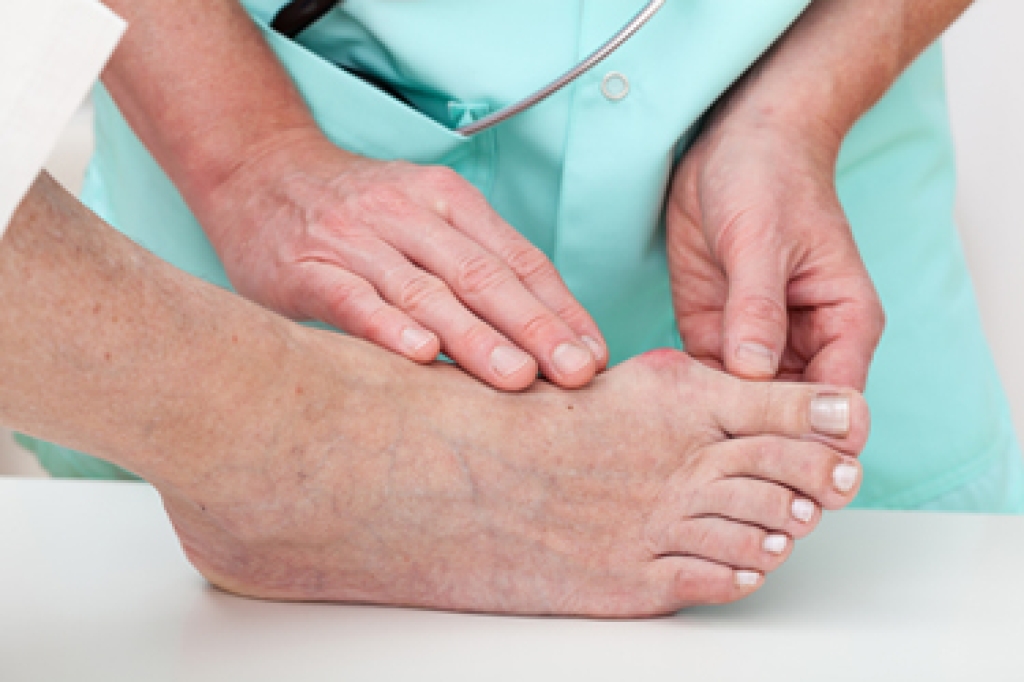
A bunion is a painful deformity that occurs over time, causing a bony protrusion at the base of the big toe joint. Aside from being unsightly, a bunion can become quite painful and inflamed. Bunions are often caused by high heels that force the foot forward, or footwear that is pointy, tight at the toes, or puts pressure on the big toe joint. Heredity and diseases that affect the joints can increase the risk of a bunion developing. If you have a bunion, it’s suggested that you make an appointment with a podiatrist. There are a variety of methods that can be used to correct the deformity and restore the natural alignment of your big toe. After examining and assessing the bunion, your podiatrist will explain their findings and go over your treatment options.

If you are suffering from bunions, contact one of our podiatrists of Garnet & Carbonell, DPM, LLC. Our doctors can provide the care you need to keep you pain-free and on your feet.

What Is a Bunion?

A bunion is formed of swollen tissue or an enlargement of boney growth, usually located at the base joint of the toe that connects to the foot. The swelling occurs due to the bones in the big toe shifting inward, which impacts the other toes of the foot. This causes the area around the base of the big toe to become inflamed and painful.

Why Do Bunions Form?

Genetics – Susceptibility to bunions are often hereditary

Stress on the feet – Poorly fitted and uncomfortable footwear that places stress on feet, such as heels, can worsen existing bunions

How Are Bunions Diagnosed?

Podiatrists often perform two tests – blood tests and x-rays – when trying to diagnose bunions, especially in the early stages of development. Blood tests help determine if the foot pain is being caused by something else, such as arthritis, while x-rays provide a clear picture of your bone structure to your provider.

How Are Bunions Treated?

  • Refrain from wearing heels or similar shoes that cause discomfort
  • Select wider shoes that can provide more comfort and reduce pain
  • Anti-inflammatory and pain management drugs
  • Orthotics or foot inserts
  • Surgery

If you have any questions, please feel free to contact our offices located in Palmetto Bay, South Miami, and Homestead, FL . We offer the newest diagnostic and treatment technologies for all your foot care needs.

Read more about What Are Bunions?

Sports Related Injuries of the Foot and Ankle

There are several types of foot and ankle injuries that can occur when playing sports. The most common sports injury is an ankle sprain. It is important for ankle sprains to be diagnosed and treated professionally, as an improperly healed sprain can lead to additional sprains, chronic ankle instability, and arthritis. Another type of injury athletes face involves the Achilles tendon, which can become inflamed, injured, torn, or even ruptured from repetitive activity or trauma. An inflammation of the plantar fascia on the sole of the foot (plantar fasciitis) can be caused by overuse or wearing shoes that are worn out or inappropriate for the sport being played. Running and court sports can lead to a compression of the nerve between the third and fourth toes. This causes the tissue surrounding the nerve to thicken and, left untreated, may lead to nerve damage. Stress fractures are another type of sports injury where a tiny crack develops over time in a bone due to repetitive activity, poor footwear, changes in activity, or other factors. If you have suffered any type of foot or ankle injury while playing sports, it is suggested that you contact a podiatrist as soon as possible.

Sports related foot and ankle injuries require proper treatment before players can go back to their regular routines. For more information, contact one of our podiatrists of Garnet & Carbonell, DPM, LLC. Our doctors can provide the care you need to keep you pain-free and on your feet.

Sports Related Foot and Ankle Injuries

Foot and ankle injuries are a common occurrence when it comes to athletes of any sport. While many athletes dismiss the initial aches and pains, the truth is that ignoring potential foot and ankle injuries can lead to serious problems. As athletes continue to place pressure and strain the area further, a mild injury can turn into something as serious as a rupture and may lead to a permanent disability. There are many factors that contribute to sports related foot and ankle injuries, which include failure to warm up properly, not providing support or wearing bad footwear. Common injuries and conditions athletes face, including:

  • Plantar Fasciitis
  • Achilles Tendinitis
  • Achilles Tendon Rupture
  • Ankle Sprains

Sports related injuries are commonly treated using the RICE method. This includes rest, applying ice to the injured area, compression and elevating the ankle. More serious sprains and injuries may require surgery, which could include arthroscopic and reconstructive surgery. Rehabilitation and therapy may also be required in order to get any recovering athlete to become fully functional again. Any unusual aches and pains an athlete sustains must be evaluated by a licensed, reputable medical professional.

If you have any questions please contact our offices located in Palmetto Bay, South Miami, and Homestead, FL . We offer the newest diagnostic and treatment technologies for all your foot and ankle needs.

Read more about Sports Related Foot And Ankle Injuries

Connect With Us

scroll to top