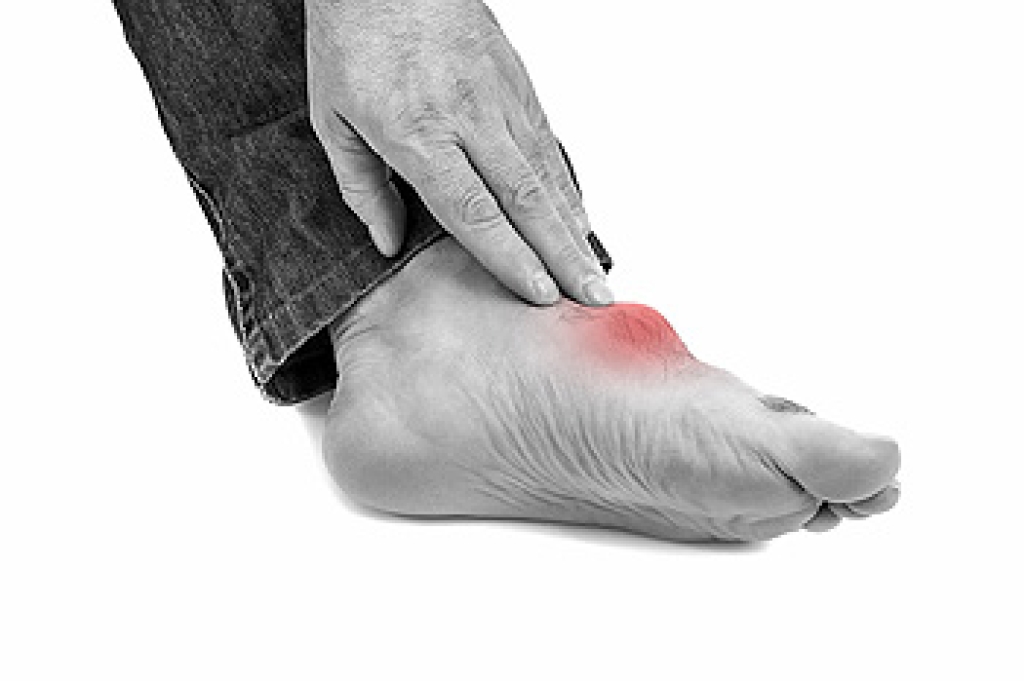
What Triggers Gout?

Gout is a painful type of arthritis that occurs due to high levels of uric acid in the bloodstream. It frequently affects the joints of the feet, particularly in the big toe. A gout flareup can be extremely painful, swollen, red, and warm. Gout is thought to be at least partially hereditary, but co-occurring medical conditions and certain lifestyle factors can also trigger a gout attack. People who have a history of heart failure, kidney disease, high blood pressure, and diabetes are at an increased risk of gout. People who are obese, take diuretic medications, drink alcohol, consume sugary foods and beverages, or eat foods rich in purines, such as red meat and certain types of seafood, are also at risk. If you have suffered a gout attack, it is suggested that you consult with a podiatrist for treatment and prevention strategies. 

Gout is a foot condition that requires certain treatment and care. If you are seeking treatment, contact one of our podiatrists from Garnet & Carbonell, DPM, LLC. Our doctors will treat your foot and ankle needs.

What Is Gout?

Gout is a type of arthritis caused by a buildup of uric acid in the bloodstream. It often develops in the foot, especially the big toe area, although it can manifest in other parts of the body as well. Gout can make walking and standing very painful and is especially common in diabetics and the obese.

People typically get gout because of a poor diet. Genetic predisposition is also a factor. The children of parents who have had gout frequently have a chance of developing it themselves.

Gout can easily be identified by redness and inflammation of the big toe and the surrounding areas of the foot. Other symptoms include extreme fatigue, joint pain, and running high fevers. Sometimes corticosteroid drugs can be prescribed to treat gout, but the best way to combat this disease is to get more exercise and eat a better diet.

If you have any questions, please feel free to contact our offices located in Palmetto Bay, South Miami, and Homestead, FL . We offer the newest diagnostic and treatment technologies for all your foot care needs.
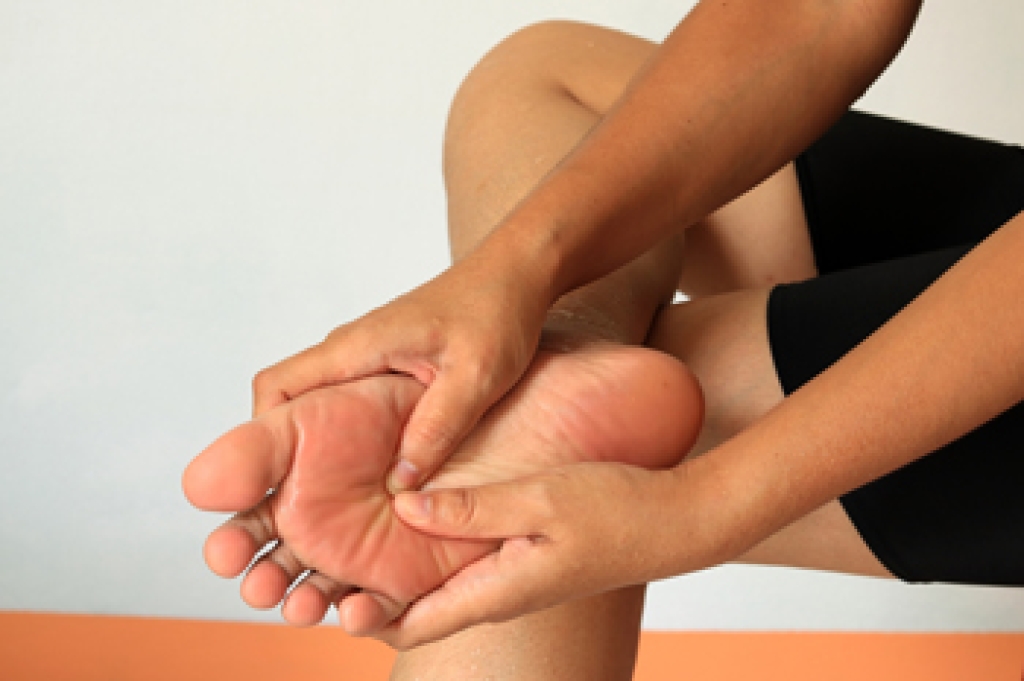
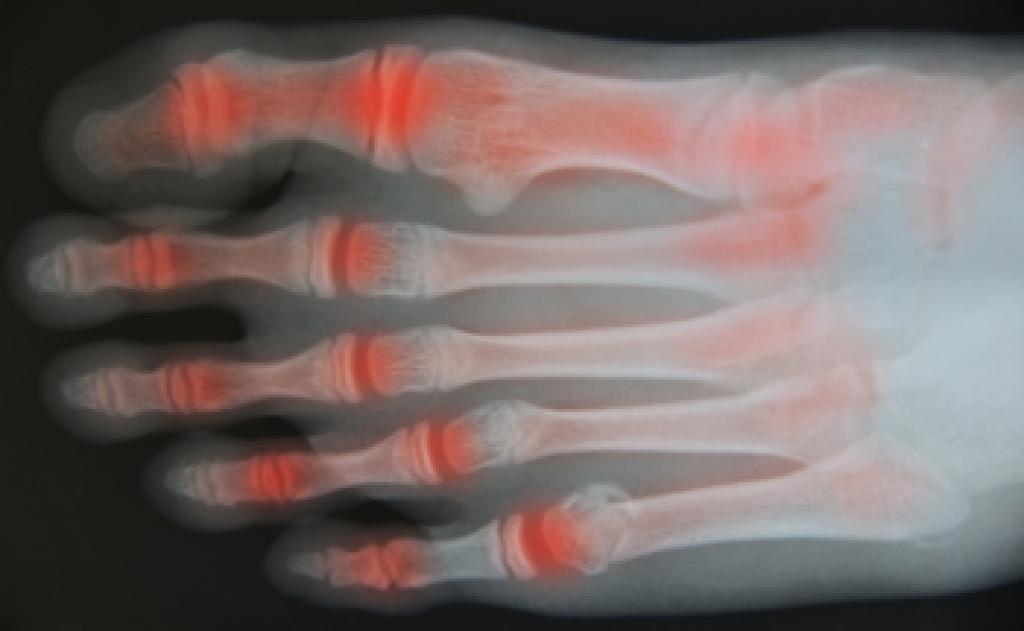
Read more about Everything You Need to Know About Gout

Caring for Your Feet if You Have Peripheral Diabetic Neuropathy

If you are a diabetic, peripheral diabetic neuropathy makes any break in the skin of your feet potentially problematic. Peripheral diabetic neuropathy can cause nerve damage, which in turn, creates a lack of sensation. This disease is also responsible for circulation issues and other factors that contribute to a reduced capacity within your body to heal itself. Daily foot checks can help you detect and seek proper treatment for any developing wounds. Comfortable footwear and moisture wicking socks with no seams to rub against your foot may aide in wound prevention. It is also recommended to trim your nails regularly and keep your feet clean and dry. Regular check ups with a podiatrist should be an important component in your foot care and prevention plan.

Neuropathy

Neuropathy can be a potentially serious condition, especially if it is left undiagnosed. If you have any concerns that you may be experiencing nerve loss in your feet, consult with one of our podiatrists from Garnet & Carbonell, DPM, LLC. Our doctors will assess your condition and provide you with quality foot and ankle treatment for neuropathy.

What Is Neuropathy?

Neuropathy is a condition that leads to damage to the nerves in the body. Peripheral neuropathy, or neuropathy that affects your peripheral nervous system, usually occurs in the feet. Neuropathy can be triggered by a number of different causes. Such causes include diabetes, infections, cancers, disorders, and toxic substances.

Symptoms of Neuropathy Include:

  • Numbness
  • Sensation loss
  • Prickling and tingling sensations
  • Throbbing, freezing, burning pains
  • Muscle weakness

Those with diabetes are at serious risk due to being unable to feel an ulcer on their feet. Diabetics usually also suffer from poor blood circulation. This can lead to the wound not healing, infections occurring, and the limb may have to be amputated.

Treatment

To treat neuropathy in the foot, podiatrists will first diagnose the cause of the neuropathy. Figuring out the underlying cause of the neuropathy will allow the podiatrist to prescribe the best treatment, whether it be caused by diabetes, toxic substance exposure, infection, etc. If the nerve has not died, then it’s possible that sensation may be able to return to the foot.

Pain medication may be issued for pain. Electrical nerve stimulation can be used to stimulate nerves. If the neuropathy is caused from pressure on the nerves, then surgery may be necessary.

If you have any questions, please feel free to contact our offices located in Palmetto Bay, South Miami, and Homestead, FL . We offer the newest diagnostic and treatment technologies for all your foot care needs.

Read more about Neuropathy

What Is Osteoarthritis?

Osteoarthritis is a common joint disease that is caused by degeneration of cartilage, a layer of tissue that lines the ends of bones and helps them move smoothly. When the cartilage is worn away, the bones begin to rub directly against each other as they move, leading to pain, swelling, and joint stiffness. Osteoarthritis often affects the joints in the feet and ankles. In addition to the symptoms of arthritis itself, this condition can also cause other foot problems, such as bunions, hallux rigidus, and corns and calluses. Osteoarthritis is associated with aging and tends to affect people over age 45. People who are overweight or obese, have a family history of osteoarthritis, or have a medical history of rheumatoid arthritis or gout are most at risk. If you are experiencing symptoms of osteoarthritis in your feet or ankles, please consult with a podiatrist.

Arthritis can be a difficult condition to live with. If you are seeking treatment, contact one of our podiatrists from Garnet & Carbonell, DPM, LLC. Our doctors can provide the care you need to keep you pain-free and on your feet.

Arthritic Foot Care  

Arthritis is a joint disorder that involves the inflammation of different joints in your body, such as those in your feet. Arthritis is often caused by a degenerative joint disease and causes mild to severe pain in all affected areas. In addition to this, swelling and stiffness in the affected joints can also be a common symptom of arthritis.

In many cases, wearing ill-fitting shoes can worsen the effects and pain of arthritis. Wearing shoes that have a lower heel and extra room can help your feet feel more comfortable. In cases of rheumatoid arthritis, the arch in your foot may become problematic. Buying shoes with proper arch support that contour to your feet can help immensely.

Alleviating Arthritic Pain

  • Exercises that stretch the foot can prevent further pain and injury and increase mobility
  • Most of the pain can be alleviated with anti-inflammatory drugs, heat, and topical medications
  • Massages can help temporarily alleviate pain.

It is best to see your doctor for the treatment that is right for your needs and symptoms. Conditions vary, and a podiatrist can help you determine the right method of care for your feet.

If you have any questions please feel free to contact our offices located in Palmetto Bay, South Miami, and Homestead, FL . We offer the newest diagnostic tools and technology to treat your foot and ankle needs.

Read more about Arthritic Foot Care

Can the Inside of My Ankle Break?

The bony bump on the inside of your ankle is actually the end of your tibia bone. This anatomical region of the tibia is known as the medial malleolus and is also the inner bone of your ankle. The medial malleolus supports the ankle on the inside of the foot and attaches to the major (deltoid) ligament there. Although ankle fractures of the medial malleolus usually occur in tandem with other ankle bone fractures, an isolated medial malleolus fracture can occur when the foot is forcefully rotated/rolled outwardly or inwardly. The medial malleolus can also suffer from a stress fracture from repetitive activity which weakens it over time. Symptoms of a medial malleolus fracture may include swelling and bruising throughout the foot, pain on the inner part of the ankle, and even difficulty walking. In order to be diagnosed and treated properly and to make sure there are no other injuries to other bones or tissue, it is very important to be seen by a podiatrist if you experience any of these symptoms.

Ankle pain can be caused by a number of problems and may be potentially serious. If you have ankle pain, consult with one of our podiatrists from Garnet & Carbonell, DPM, LLC. Our doctors will assess your condition and provide you with quality foot and ankle treatment.

Ankle pain is any condition that causes pain in the ankle. Due to the fact that the ankle consists of tendons, muscles, bones, and ligaments, ankle pain can come from a number of different conditions.

Causes

The most common causes of ankle pain include:

  • Types of arthritis (rheumatoid, osteoarthritis, and gout)
  • Ankle sprains
  • Broken ankles
  • Achilles tendonitis
  • Achilles tendon rupture
  • Stress fractures
  • Bursitis
  • Tarsal tunnel syndrome
  • Plantar fasciitis

Symptoms

Symptoms of ankle injury vary based upon the condition. Pain may include general pain and discomfort, swelling, aching, redness, bruising, burning or stabbing sensations, and/or loss of sensation.

Diagnosis

Due to the wide variety of potential causes of ankle pain, podiatrists will utilize a number of different methods to properly diagnose ankle pain. This can include asking for personal and family medical histories and of any recent injuries. Further diagnosis may include sensation tests, a physical examination, and potentially x-rays or other imaging tests.

Treatment

Just as the range of causes varies widely, so do treatments. Some more common treatments are rest, ice packs, keeping pressure off the foot, orthotics and braces, medication for inflammation and pain, and surgery.

If you have any questions please feel free to contact our offices located in Palmetto Bay, South Miami, and Homestead, FL . We offer the newest diagnostic tools and technology to treat your foot and ankle needs.

Read more about Ankle Pain

The Spreading of Athlete’s Foot

Athlete’s foot is a very contagious fungal infection that often thrives in warm moist environments such as showers, locker rooms, and swimming pools, and it can spread from things such as towels, floors, and clothing. Unless the feet have been washed and dried thoroughly, fungal spores can penetrate any fissures or sores and begin to spread. The infection may also spread by hand to other parts of the body when it is scratched or touched. Because of how easily it spreads, good foot hygiene is one of the most important factors to prevent Athlete’s foot. As a result of Athlete’s foot, the feet can become dry and flaky, and they will get itchy and scaly. Patients who have Athlete’s foot should visit a podiatrist to properly treat the infection. 

Athlete’s Foot

Athlete’s foot is often an uncomfortable condition to experience. Thankfully, podiatrists specialize in treating athlete’s foot and offer the best treatment options. If you have any questions about athlete’s foot, consult with one of our podiatrists from Garnet & Carbonell, DPM, LLC. Our doctors will assess your condition and provide you with quality treatment.

What Is Athlete’s Foot?

Tinea pedis, more commonly known as athlete’s foot, is a non-serious and common fungal infection of the foot. Athlete’s foot is contagious and can be contracted by touching someone who has it or infected surfaces. The most common places contaminated by it are public showers, locker rooms, and swimming pools. Once contracted, it grows on feet that are left inside moist, dark, and warm shoes and socks.

Prevention

The most effective ways to prevent athlete’s foot include:

  • Thoroughly washing and drying feet
  • Avoid going barefoot in locker rooms and public showers
  • Using shower shoes in public showers
  • Wearing socks that allow the feet to breathe
  • Changing socks and shoes frequently if you sweat a lot

Symptoms

Athlete’s foot initially occurs as a rash between the toes. However, if left undiagnosed, it can spread to the sides and bottom of the feet, toenails, and if touched by hand, the hands themselves. Symptoms include:

  • Redness
  • Burning
  • Itching
  • Scaly and peeling skin

Diagnosis and Treatment

Diagnosis is quick and easy. Skin samples will be taken and either viewed under a microscope or sent to a lab for testing. Sometimes, a podiatrist can diagnose it based on simply looking at it. Once confirmed, treatment options include oral and topical antifungal medications.

If you have any questions, please feel free to contact our offices located in Palmetto Bay, South Miami, and Homestead, FL . We offer the newest diagnostic and treatment technologies for all your foot care needs.
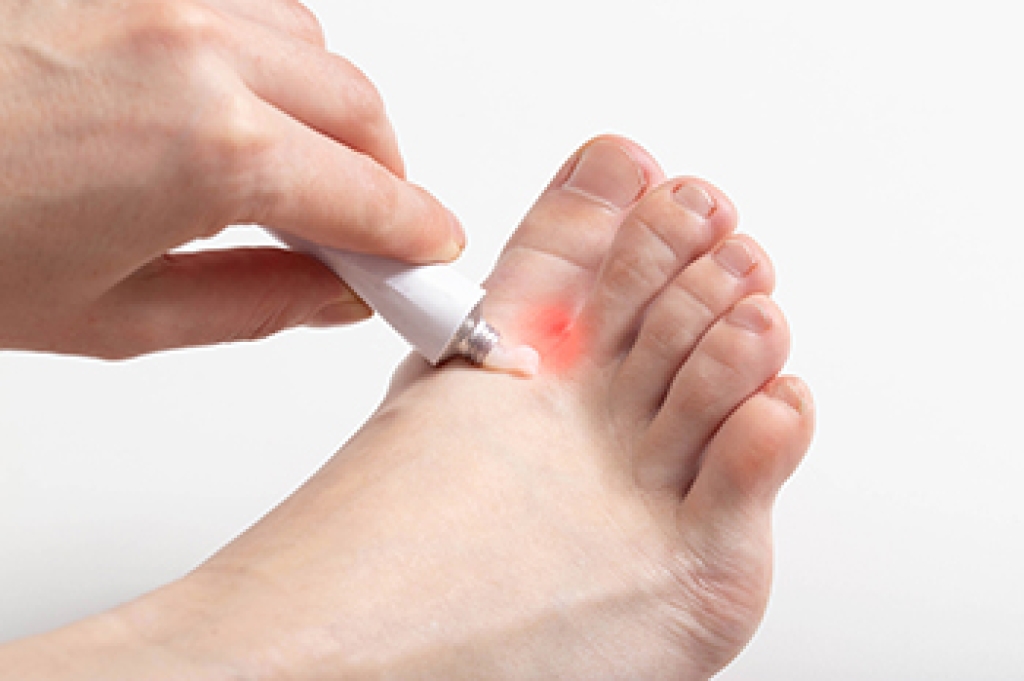
Read more about How to Deal with Athlete's Foot

Connect With Us

scroll to top